MemoHoney Official Website › Blog › Reviews and evidence
How To Read a Vendor Review Summary Without Borrowing Its Certainty
A seller's review summary can describe its feedback. It cannot replace a label amount, a clinical study, a personal safety assessment or an appropriate care decision.
A vendor review summary is a vendor record
The review material supplied for this MemoHoney site is a seller-presented summary. It includes a score, a count and statements about what buyers said they liked or disliked. That can be relevant to a shopper because it shows how the seller describes its feedback. It is not a clinical study, an independently audited outcome count or a promise that another buyer will have the same experience.
The distinction is not a technicality. A score combines many individual transactions and editorial choices about how to present them. It cannot disclose why every buyer chose the product, what else they changed, whether they used it as directed, or how a person's memory was measured. A reader should not turn a seller's average into a prediction about their own health.
Reviews can still be read usefully. They may reveal ordinary service themes such as shipping, bottle count, a routine, or a buyer wanting more to happen early. The proper use is narrow: treat such themes as questions to investigate against the label and terms, not as evidence that the product has produced a specific medical or cognitive result.
| Record | What it can show | What it cannot show alone |
|---|---|---|
| Seller review score | How the seller presents a feedback summary | A personal outcome or a clinical result |
| Comment theme | A reported service or expectation pattern | An ingredient dose or safety conclusion |
| Product label | The names and claims actually printed | A study of the full formula |
| Order confirmation | A specific purchase and date | Whether a product caused a health change |
A review block becomes more useful when each claim is kept in its own evidence lane.
A star score cannot fill gaps on a label
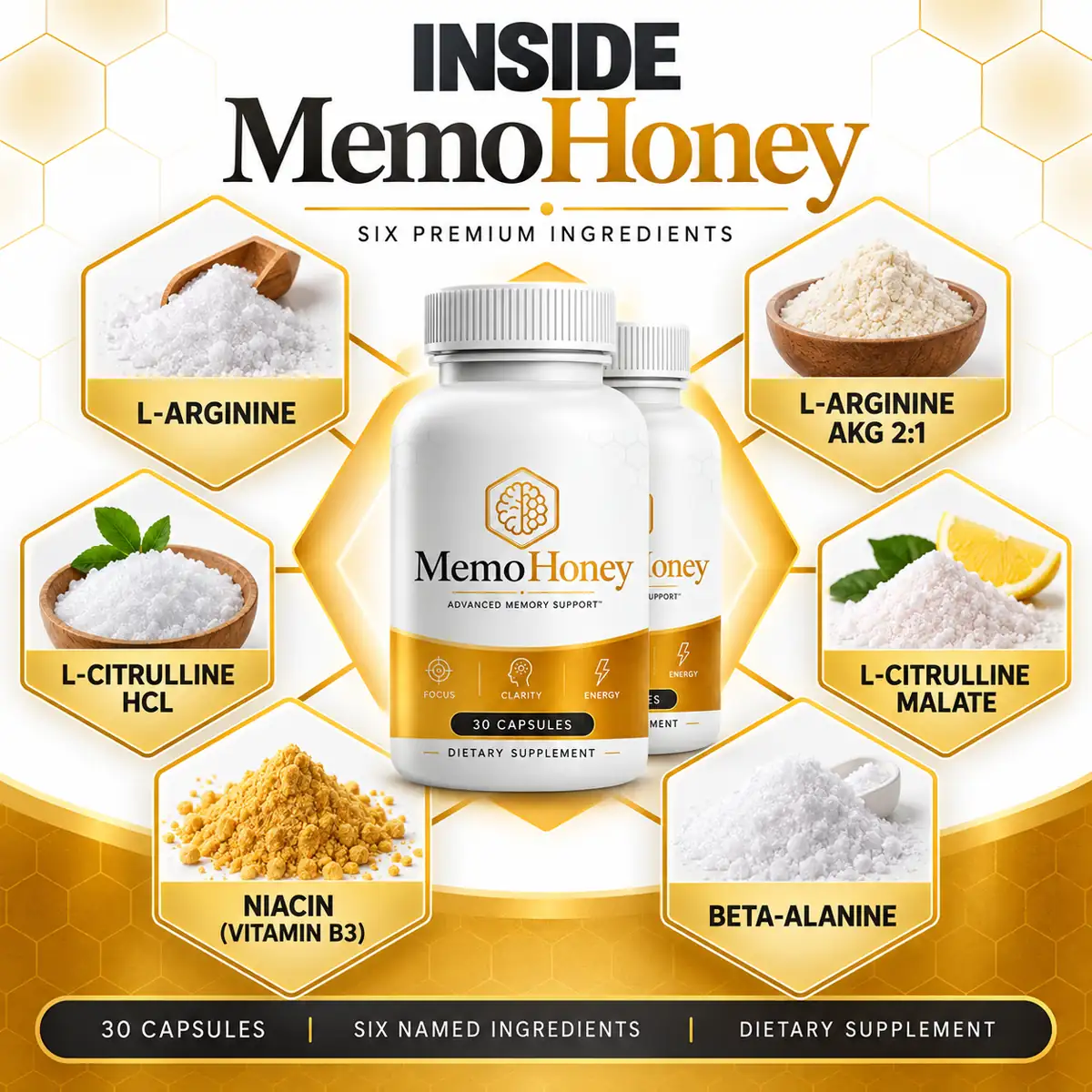
This product's label names six ingredients and prints no amount for any of them. A positive review score does not supply the missing milligram figures. It also does not show whether a person took the product with a medicine, followed the printed direction, or received a dose comparable to the one in an ingredient study. Review language and ingredient documentation do different jobs.
The same applies to the brand's Advanced Memory Support wording. A reviewer may describe focus, clarity or energy in everyday language, but an anecdote is not a diagnosis and does not transform a packaging claim into evidence that the formula treats memory loss. The label's claims ceiling remains the ceiling, regardless of how enthusiastic a collection of comments sounds.
A more useful comparison is between the record a buyer has and the record a buyer needs. The ingredients page separates the named substances from the doses and populations in the research. The reviews page identifies the source and limits of the seller's review summary. Neither should be read as a substitute for the other.
Early experience is not a clinical timeline
Review blocks often include people saying a routine took time, or that they wanted a quicker change. Such comments describe individual expectations and seller-selected themes. They do not create a safe waiting period for someone with a worsening symptom, and they do not prove that continuing a supplement will lead to a later benefit.
The purchase calendar has its own terms: 30 capsules in a bottle, a stated 60-day window from purchase, and a request for 30 days of use before a claim. Those are service and product facts. They should not be blended with reviews to imply that a buyer ought to wait out a health concern or persist until a star score feels applicable.
A buyer with a worrying reaction, new confusion, rapid decline or a symptom noticed by family needs appropriate care rather than a review timeline. A buyer with a service question can preserve the order ID, purchase date and current instruction. The type of question determines the useful record, not the tone of a comment.
Ask what the summary does not show
A review total leaves several practical questions unanswered. It may not show whether entries were verified, how a score was calculated, the time range covered, or how the seller handles complaints that never become a public comment. A buyer can read it as a presentation of feedback while recognizing that a summary has limits that a product page may not spell out in every heading.
The useful question is not whether every review is true or false. It is what the summary can establish. It can establish that the seller is presenting certain feedback under its own brand. It cannot establish an ingredient amount, a batch assay, a personal safety assessment, or a causally measured outcome. Those would require different records.
A careful buyer can make a list of the missing facts that matter: the exact label amount, dietary documentation, return procedure, or medication interaction. A review score may lead to a question, but it should not close the question. If the needed answer is absent, a buyer can ask before purchasing or choose not to proceed.
| Question | Record that can help |
|---|---|
| How a return should start | A current service instruction and order ID |
| What the bottle says | The visible product label and ingredient page |
| Whether an ingredient fits with medicines | A pharmacist or prescriber reviewing the complete label |
| Whether a parcel arrived | Tracked-shipping record |
Use the record that answers the actual question rather than asking a review score to answer all of them.
Use service themes as service questions
The most defensible information in a review block is often transactional rather than medical. Comments about deliveries, an order adjustment, packaging, a routine or a return process may signal the details a buyer should read before paying. They can prompt a buyer to save an order confirmation, check the bottle count, or ask for current instructions before mailing anything back.
A service signal does not settle a health question. A person deciding whether the ingredient list fits with medicines or conditions needs a pharmacist or prescriber, not a collection of star ratings. A person reporting a reaction needs appropriate medical advice, not an average of strangers' experiences. The service record and the health record should remain separate.
This is a fair standard for the seller too. A buyer does not have to accuse a review block of fraud to recognize its limits. They can simply use it for the information it might provide, decline to borrow certainty it cannot provide, and make a purchase decision that reflects the actual terms and documentation in hand.
Read reviews as one source among several
A sensible sequence is short. Start with the label and the ingredient names. Read the purchase and return terms. Consider the review summary as a description of seller-presented feedback. Then decide whether the information covers the question that matters. That method protects a buyer from allowing one favorable number to dominate every other missing detail.
It also prevents the opposite error of treating a review block as worthless by definition. Comments can be useful when they point to practical patterns a buyer can check. The point is not to discard them. The point is to avoid making them serve as laboratory data, clinical evidence or a substitute for an individual conversation with a health professional.
If a buyer proceeds, the order confirmation and visible product details should be saved. If a buyer does not proceed, no additional conclusion is required. A review summary may be one factor in a commercial decision, but it never obliges someone to purchase, continue a supplement, or delay an assessment of a health concern.
Read the MemoHoney product record before ordering
The label, pack duration, listed return terms, and the questions the supplied record does not settle.
From $158 for two bottles to $294 for six, with 60 days on all three
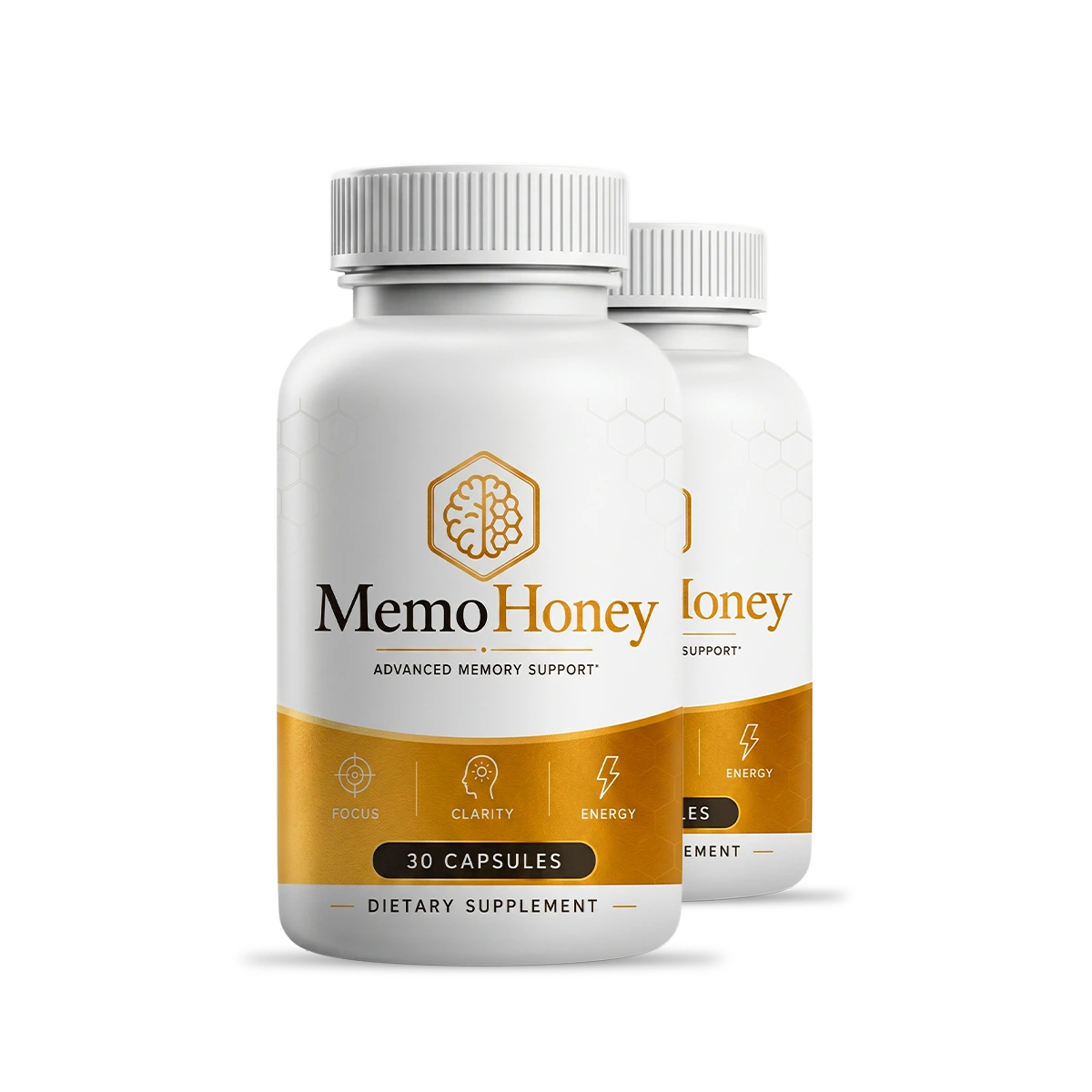
Choose A MemoHoney PackSwallowed whole, one a day, 30 to a bottle. Batch MEM-26/ME-8729, shipped from the United States.
What this record can support
A product label, seller page, review summary, order confirmation, lot reference and research paper are different records. Each can be useful inside its own boundary. A label identifies its printed claims. A seller page can describe a current commercial term. A review summary reports how a seller has presented its own feedback. A study reports the population, dose and outcome that study actually examined. None should silently become another kind of evidence.
That keeps a negative decision available. If the missing detail would decide the purchase, a buyer can leave the product unpurchased rather than inventing a reassuring answer. This is not a conclusion that the product is good or bad. It is an acknowledgement that the supplied information does not settle the particular question the buyer needed resolved before a guarantee clock began.
After a purchase, the same sorting keeps issues in the right hands. Save product and order records for a service question. Take medicine interactions, reactions, worsening memory or a change noticed by others to a pharmacist or clinician. A retail process can trace a payment or shipment, but it cannot assess an individual's health or replace appropriate care.
The practical method is modest: read the literal statement, save the source carrying it, ask the next precise question, and do not make a mark, a score or a date prove more than it can. That is a more durable way to use a supplement website than allowing a polished presentation to fill every blank with an assumption.
- Treat a pack count and a return term as calendar information, not an outcome promise.
- Treat a review score as the seller's summary, not a clinical result or a personal prediction.
- Treat an order or lot reference as a traceability tool, not a laboratory report.
- Ask for missing label, testing or dietary details before the purchase date starts the stated window.
- Bring medicine, reaction and memory concerns to a pharmacist or clinician.
MemoHoney is a dietary supplement, not a treatment for anything. Memory that has changed suddenly, quickly, or in a way people close to you have noticed is a reason to make an appointment rather than to start a capsule. MedlinePlus sets out plainly what ordinary forgetfulness looks like and what does not belong in that category.
References
- Questions and Answers on Dietary Supplements. U.S. Food and Drug Administration. https://www.fda.gov/food/information-consumers-using-dietary-supplements/questions-and-answers-dietary-supplements
- Using Dietary Supplements Wisely. National Center for Complementary and Integrative Health, National Institutes of Health. https://www.nccih.nih.gov/health/using-dietary-supplements-wisely
- MedlinePlus. Memory. Bethesda (MD): U.S. National Library of Medicine, National Institutes of Health. https://medlineplus.gov/memory.html
- Dolan E, Swinton PA, Painelli VS, et al. A Systematic Risk Assessment and Meta-Analysis on the Use of Oral beta-Alanine Supplementation. Adv Nutr. 2019;10(3):452-463. PMID 30980076. https://pubmed.ncbi.nlm.nih.gov/30980076/
- Teotia S, Rana AK, Gupta V. Comparison of the Safety and Efficacy of Oral L-arginine for the Treatment of Cognitive Impairment in Older Adults: A Prospective, Randomized, Placebo-Controlled Pilot Study. Cureus. 2026;18(7):e112987. Thirty-eight participants, oral L-arginine 6.4 g/day for 30 days. PMID 42621366. https://pubmed.ncbi.nlm.nih.gov/42621366/